HK Charger
1 / 5
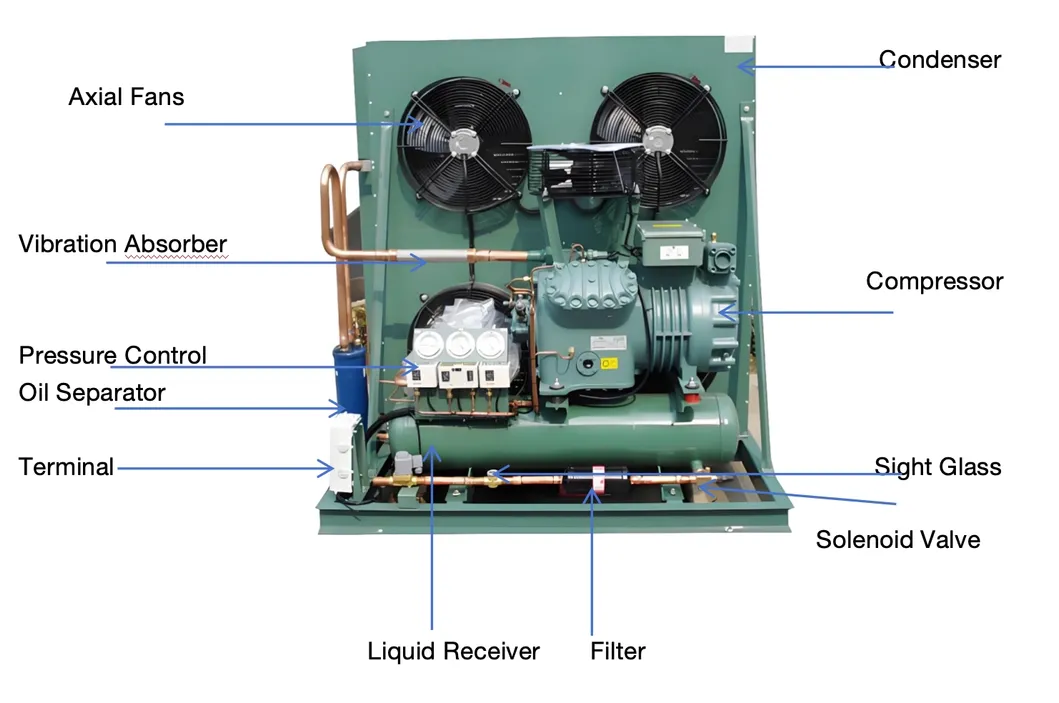
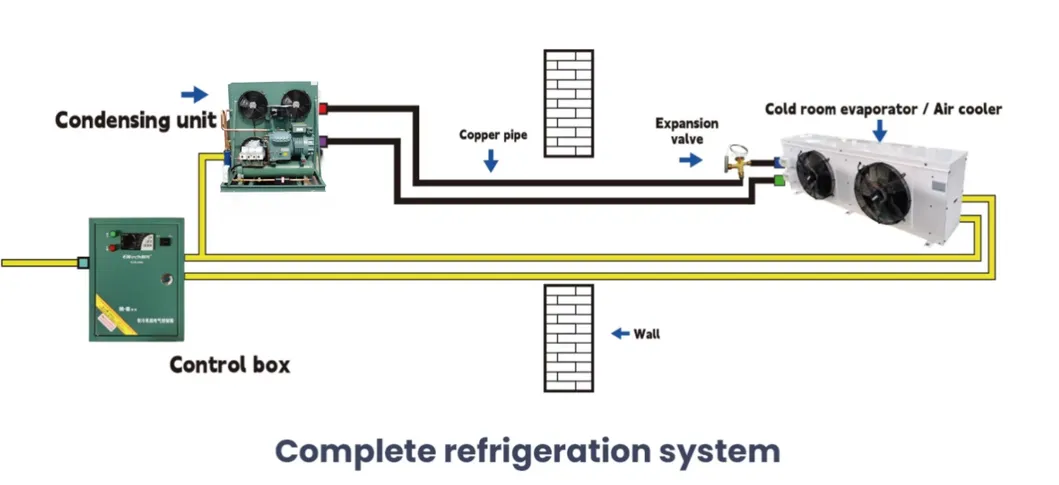
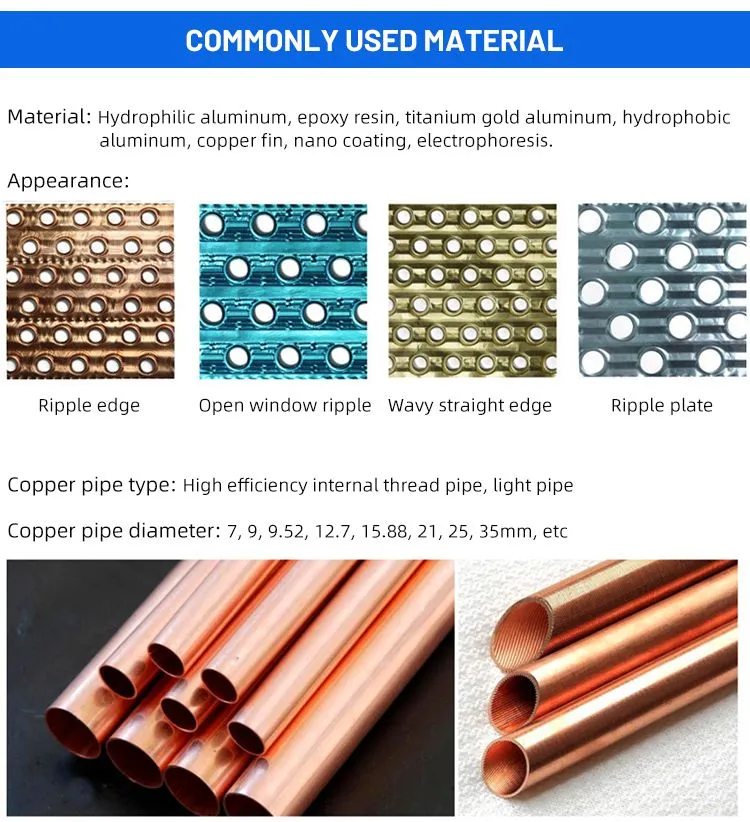
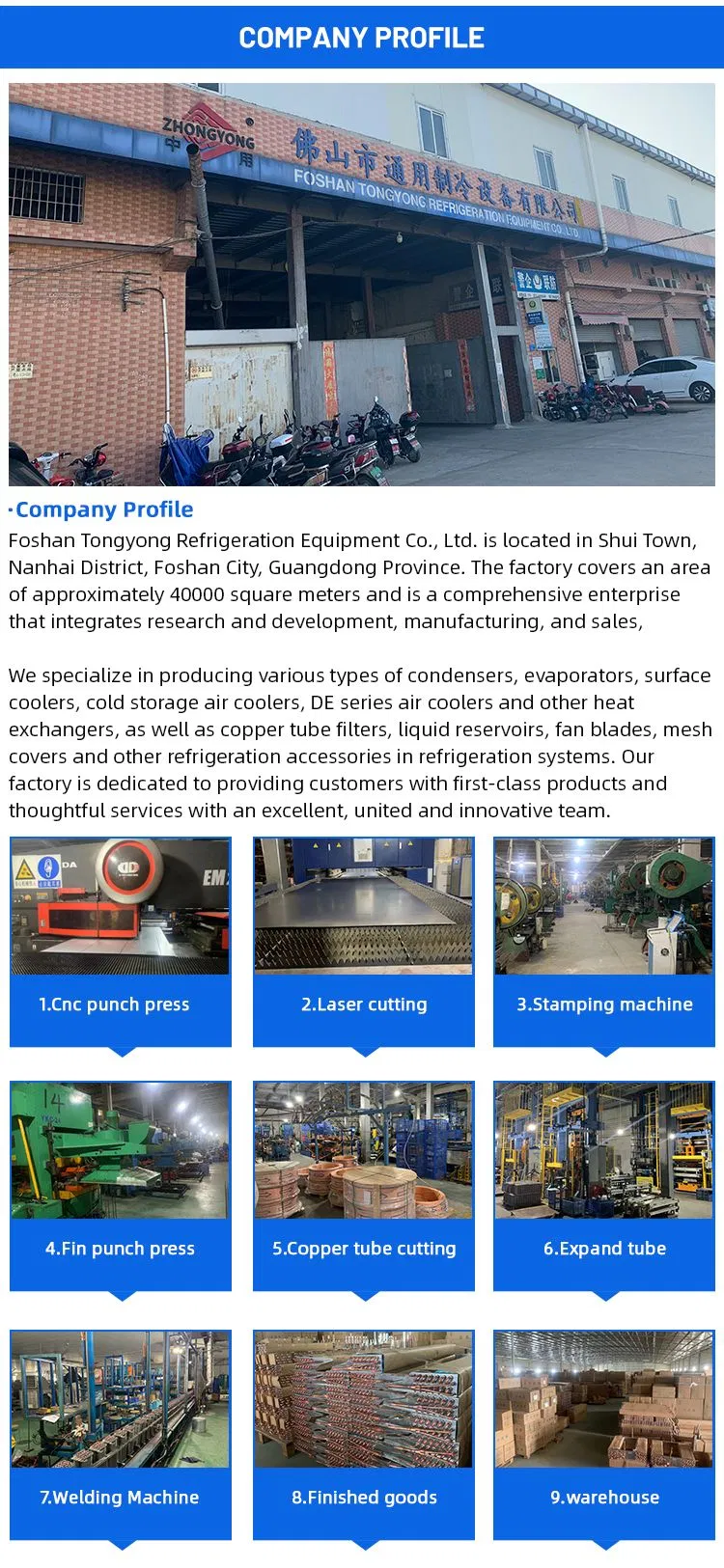
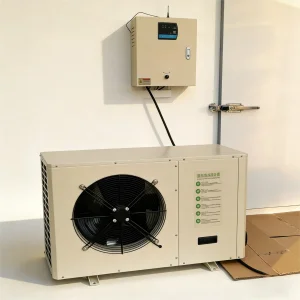
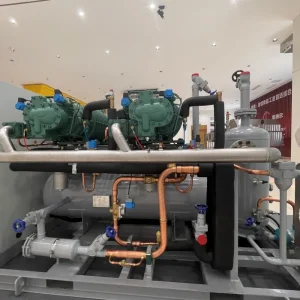
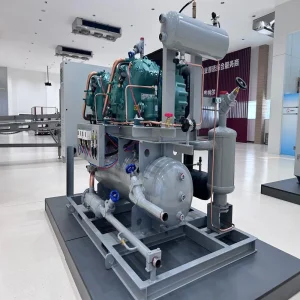
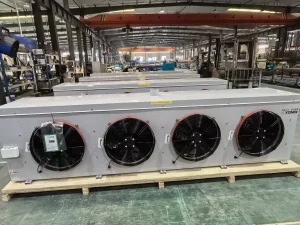
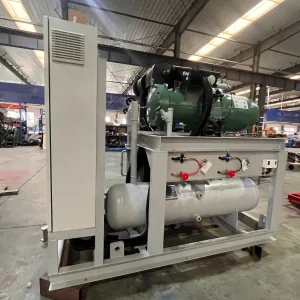
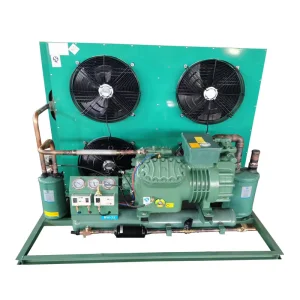
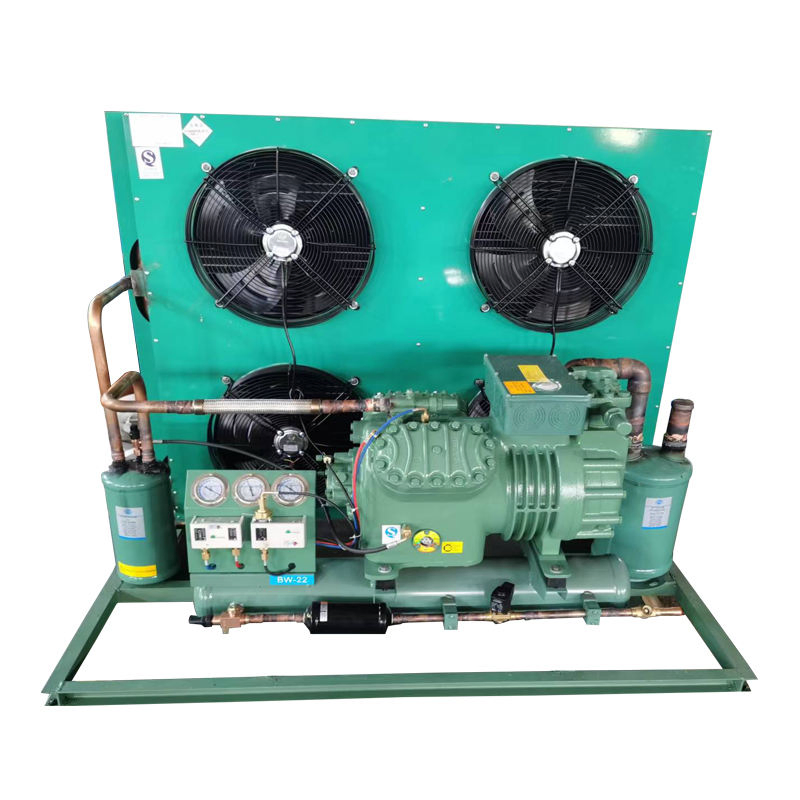
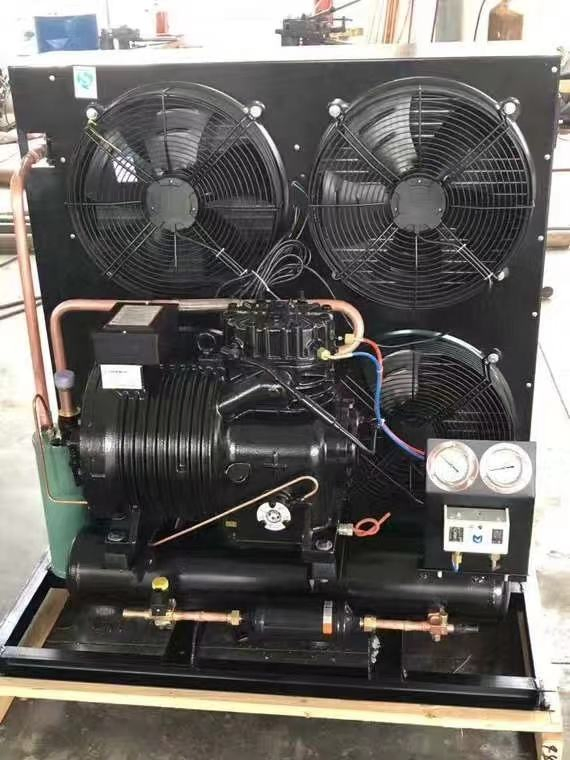
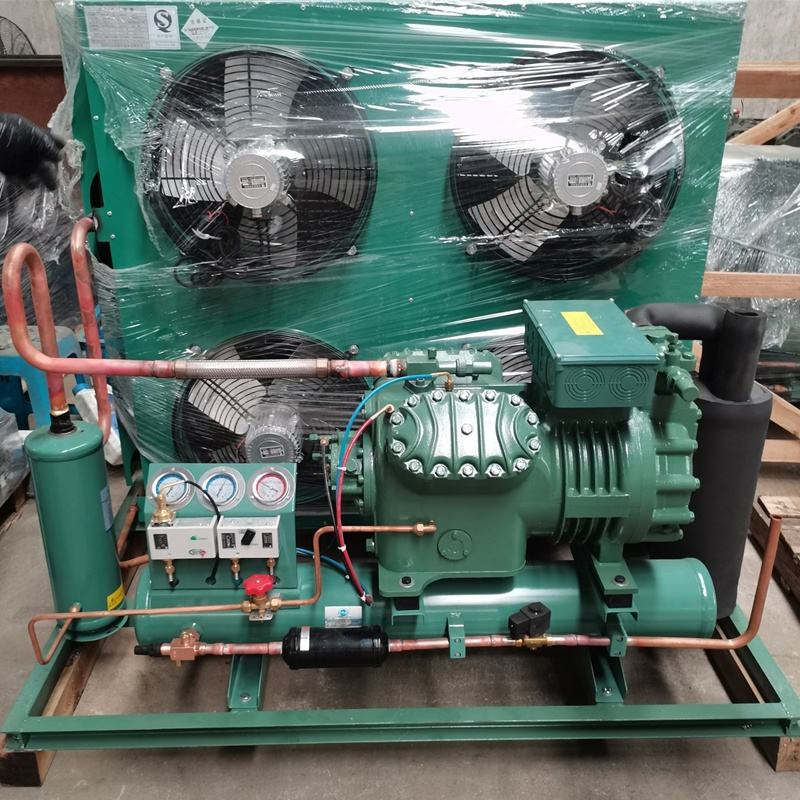
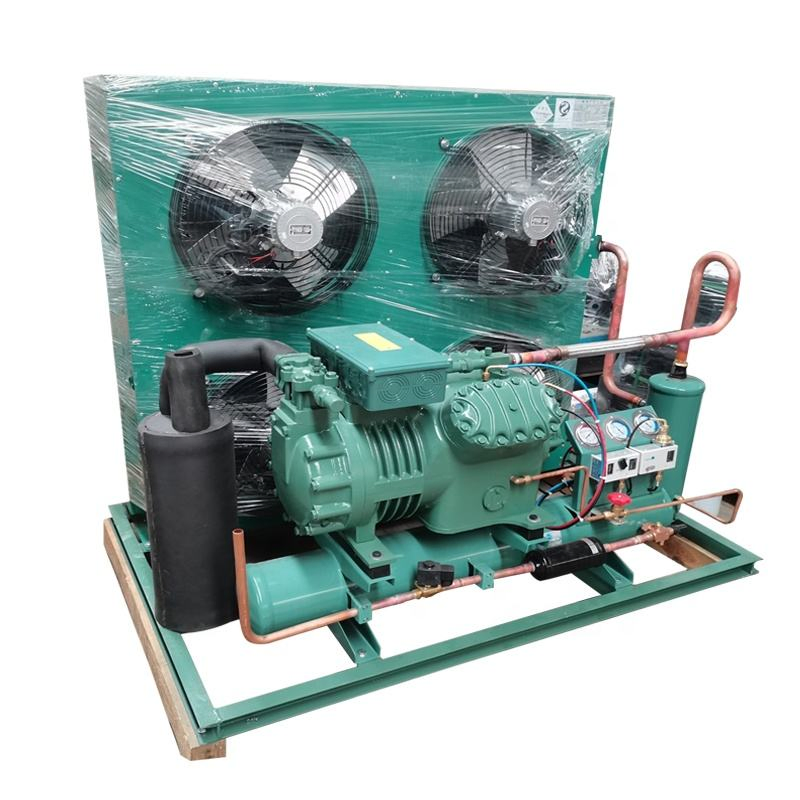
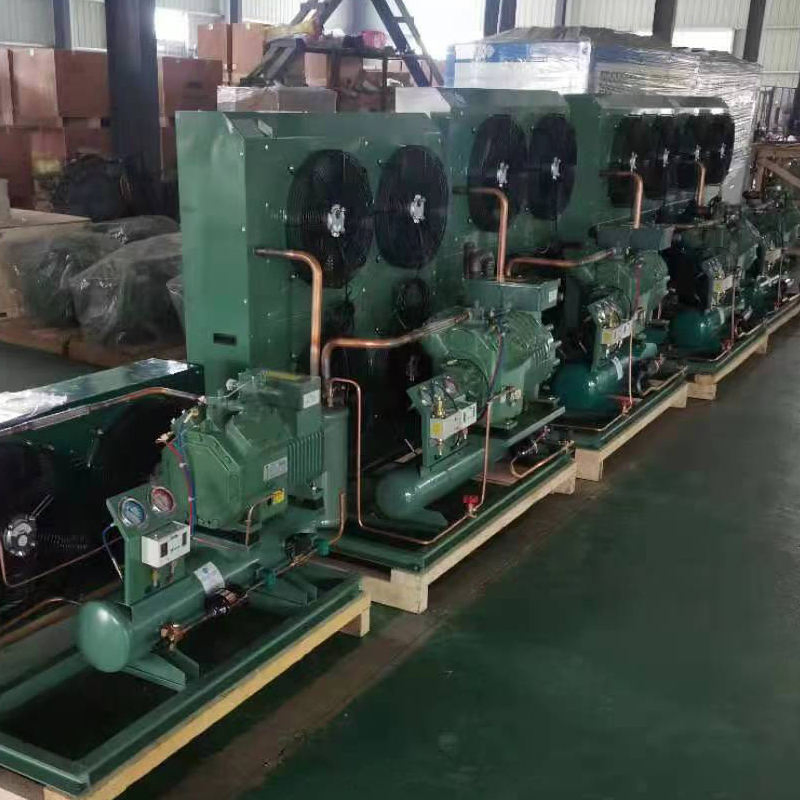
A condensing unit serves as the essential heart of a vapor-compression refrigeration system, responsible for heat rejection. Its primary function is to compress and condense the refrigerant gas coming from the evaporator, transforming it back into a liquid state while dissipating the absorbed heat to the surrounding environment. Our units are engineered with this critical role in mind, featuring compressors known for steady performance and coils constructed from materials like copper tubes and aluminum fins to optimize heat transfer. The robust housing and corrosion-resistant components are designed to ensure integrity and reliable operation in demanding industrial settings.
Modern industrial operations demand not just performance but also energy consciousness. Our condensing units are designed with efficiency as a key priority. The integration of precisely matched components, including high-efficiency scroll or semi-hermetic compressors and optimally sized condensers, minimizes energy consumption for a given cooling capacity. Furthermore, features such as low-noise fan technology and intelligent control systems that modulate operation based on thermal load contribute to reduced power usage and lower operational costs.
Downtime in industrial refrigeration is costly. Therefore, our condensing units are built for durability and simplified serviceability. Key components are selected for long service life and are accessible for routine inspection and maintenance. The design often incorporates features like protective fan grilles, easily cleanable coil surfaces, and standard electrical connections to facilitate upkeep. This emphasis on reliable construction and service-friendly design aims to provide continuous operation for 24/7 applications.
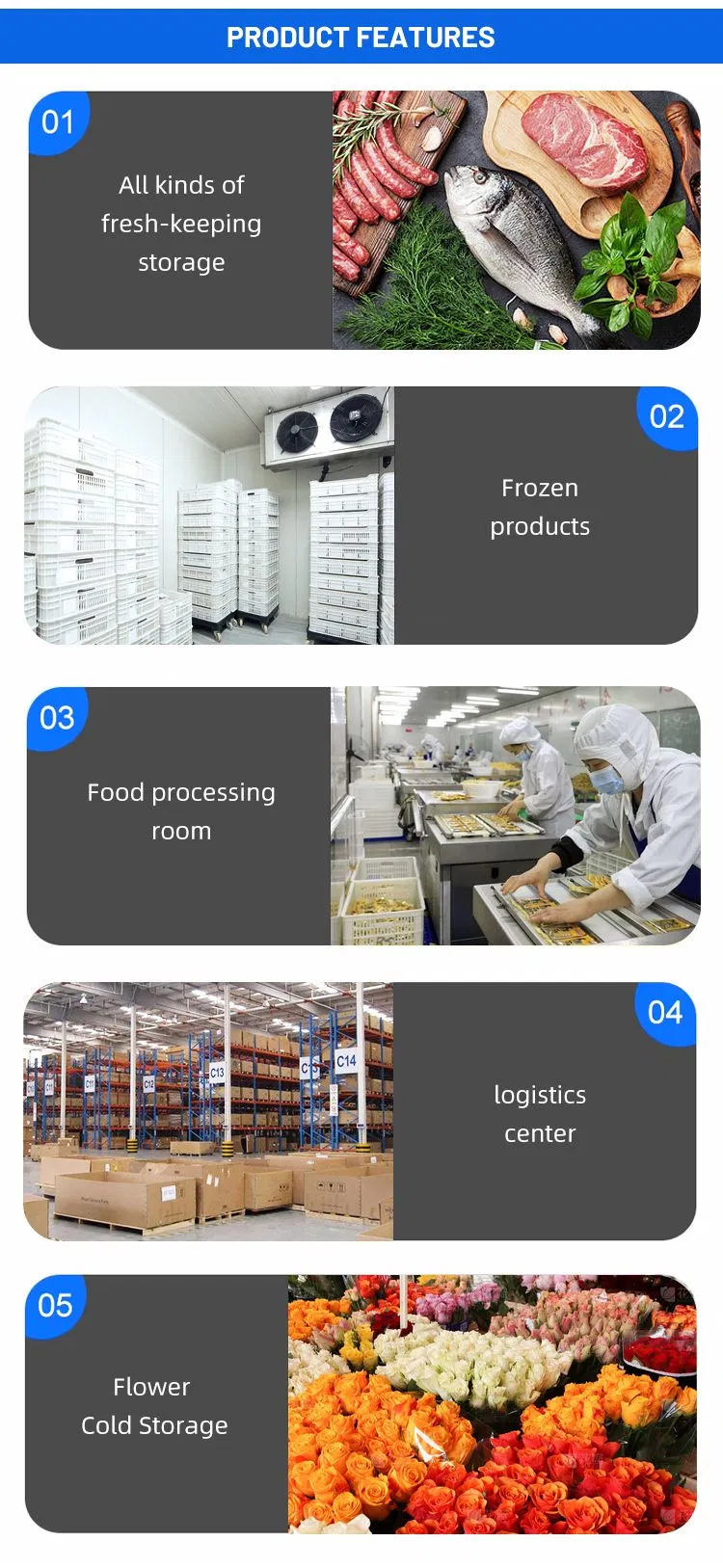
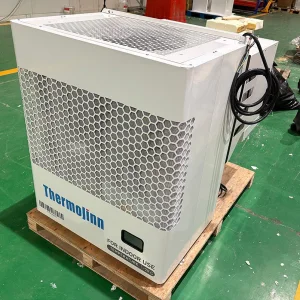
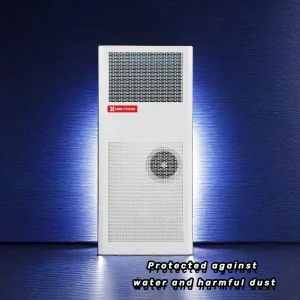
Our range of air-cooled condensing units is developed to offer versatility across applications. Available in a wide spectrum of capacities and configurations, they can be specified for use with walk-in coolers, blast freezers, process chillers, and industrial air conditioning systems. Options may include different fan arrangements, specific electrical specifications for various global markets, and compatibility with multiple common refrigerants. This flexibility allows for tailored cooling solutions across diverse industries.