The rapid growth of renewable energy sources in China has heightened the need for robust grid stability. A recent report by the International Energy Agency (IEA) highlights that China's renewable energy capacity reached 1,000 gigawatts in 2021. As this capacity increases, the variability of power generation presents challenges. Here, the role of distributed energy storage becomes essential.
How distributed energy storage improves grid stability is critical for accommodating fluctuating energy supply. The China Electricity Council reported that integrating energy storage systems can enhance overall grid reliability by up to 25%. Storage solutions, such as batteries, can mitigate sudden load changes. They provide backup when renewables falter, ensuring continuous supply and reducing dependence on fossil fuels.
However, challenges remain. Issues such as high initial costs and regulatory hurdles can hinder widespread implementation. Furthermore, optimizing storage management requires advanced technology and skilled personnel. Despite these obstacles, the potential improvements to grid stability are significant. As China continues to invest in smart grid technologies, refining energy storage strategies will be crucial for achieving a sustainable energy future.
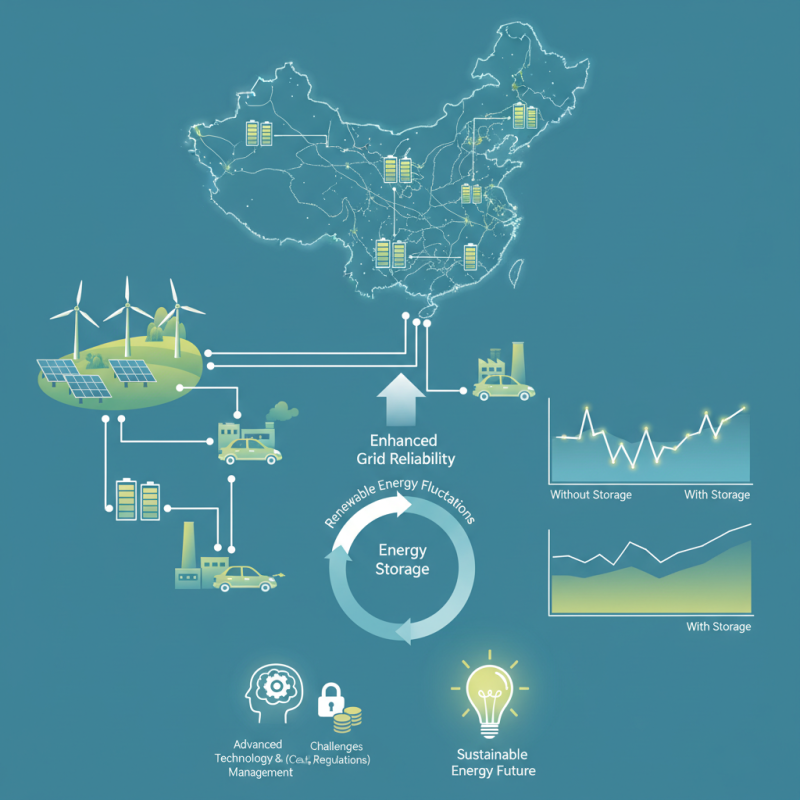
The Role of Distributed Energy Storage in Enhancing Grid Resilience in China
Distributed energy storage plays a vital role in enhancing grid resilience in China. With the rising demand for electricity and the increasing integration of renewable energy sources, maintaining grid stability becomes crucial.
Distributed energy storage systems, such as batteries located near consumption sites, can quickly respond to fluctuations in energy supply and demand. This capability helps balance the grid during peak usage and when renewable sources like wind or solar are intermittent.
Local energy storage can provide backup power during outages. For example, communities equipped with distributed storage can keep essential services running when the main grid fails. These systems enable a quicker recovery from disruptions, contributing to overall grid resilience. However, the deployment and management of these systems raise challenges. Investment costs and technological barriers can slow down implementation.
Moreover, effective regulation and standardization are necessary for maximizing their benefits. Without proper guidelines, the management of distributed storage could lead to inefficiencies or increased risks during emergencies. Addressing these challenges is essential to ensure that distributed energy storage truly enhances grid stability in China.
Current State of China's Energy Storage Market and Key Players
China's energy storage market is rapidly evolving. It plays a crucial role in enhancing grid stability. Various entities are working on innovative storage solutions. These solutions help manage renewable energy sources like solar and wind. However, challenges remain in technology and infrastructure.
Key players include energy providers, technology firms, and research institutions. Collaboration among these players is vital for progress. They face obstacles such as regulatory hurdles and cost barriers. These challenges require attention to foster growth.
Real-world examples illustrate the ongoing development. Some regions experience issues with energy supply during peak times. Energy storage systems could mitigate these concerns. Yet, the integration of these systems into the grid needs improvement. Continuous efforts are required to address these issues and enhance reliability.
Impact of Distributed Energy Storage on Renewable Energy Integration in China
Distributed energy storage (DES) plays a critical role in providing stability to China’s power grid, especially in integrating renewable resources. As China expands its renewable energy capacity, a report by the International Energy Agency (IEA) highlights that renewable sources may account for over 40% of the country's power generation by 2030. However, this rapid growth poses challenges. The intermittent nature of wind and solar energy leads to fluctuations in supply. This is where DES becomes essential, offering a buffer that can store excess energy and release it when generation dips.
A study from the China Energy Storage Alliance indicates that DES could reduce curtailment rates of renewable energy by over 20%. More specifically, with increased storage capacity, the integration of wind energy could rise from the current 30% to nearly 50% by 2025, significantly enhancing grid reliability. Yet, the implementation isn’t without issues. Regulatory frameworks need refinement, and technological improvements are necessary for optimal performance. Some existing storage systems struggle with efficiency, showing that while potential is high, actual outcomes may vary.
Moreover, the cost-effectiveness of deploying DES is still under review. Some regions experience high installation costs, dampening enthusiasm. Analysts suggest that financial incentives or government support might be necessary to stimulate broader adoption. This reflection underscores the complex relationship between innovation and practical execution in achieving grid stability through DES in China's evolving energy landscape.
Case Studies: Successful Implementation of Energy Storage Systems in China
China has made significant strides in implementing distributed energy storage systems. These systems enhance grid stability, particularly in regions with high renewable energy usage. One notable case study in Guangdong demonstrates how a solar energy storage project helped manage peak demand effectively. The integration of energy storage allows for excess solar energy to be stored and dispatched when needed, reducing reliance on fossil fuels.
Another example comes from a rural area in Yunnan. Here, a microgrid system uses batteries paired with local hydro energy sources. This setup provides reliable power during dry seasons when water levels drop. The community witnessed improved energy access and online power management. However, challenges remain, such as the initial investment costs and technology reliability.
While these implementations showcase success, reflections on their execution are necessary. Many projects faced delays and operational hurdles. Local governments must evaluate regulatory frameworks to stimulate better outcomes. Addressing these issues will be crucial to further advancing distributed energy storage solutions across China.
Future Projections: Energy Storage Capacity Growth and Grid Stability Enhancements
As China's energy landscape evolves, the role of distributed energy storage is becoming increasingly crucial. Projections indicate that by 2030, the country's energy storage capacity could reach 205 gigawatts (GW), representing a leap from approximately 30 GW in 2020. This anticipated growth is not just numbers; it directly impacts grid stability across regions. Distributed storage systems, like batteries, help to balance supply and demand, offsetting fluctuations.
Enhanced grid stability can mitigate risks associated with renewable energy integration. Wind and solar power are variable by nature; energy storage can absorb excess generation during peak times and release it during low production periods. Reports suggest that with a robust energy storage network, power outages could decrease by up to 30%. Current challenges include the high initial costs of storage systems and the need for regulatory support. However, countries like China show a commitment to overcoming these hurdles.
Industry experts assert that an efficient energy storage system could reduce peak demand charges by as much as 40%. With smart technologies advancing, the effectiveness of these systems will likely improve. Despite these promising projections, it's essential to reflect on the technological and economic barriers that remain. Continued investment in innovation and policy reform will be critical to realizing these benefits.
Conclusion
The article "How Distributed Energy Storage Enhances Grid Stability for China Best?" explores the critical role that distributed energy storage systems play in bolstering grid resilience in China. It discusses the current state of the energy storage market, highlighting key players and the rapid advancements being made. Moreover, it examines how distributed energy storage improves grid stability by facilitating the integration of renewable energy sources, thus mitigating the intermittency challenges often faced by these power generation methods.
Case studies within the article showcase successful implementations of energy storage systems across various regions in China, demonstrating tangible benefits in terms of grid reliability and efficiency. Finally, future projections indicate a significant growth in energy storage capacity, which is poised to further enhance grid stability as the country continues its transition toward a more sustainable energy infrastructure.

 HK Charger